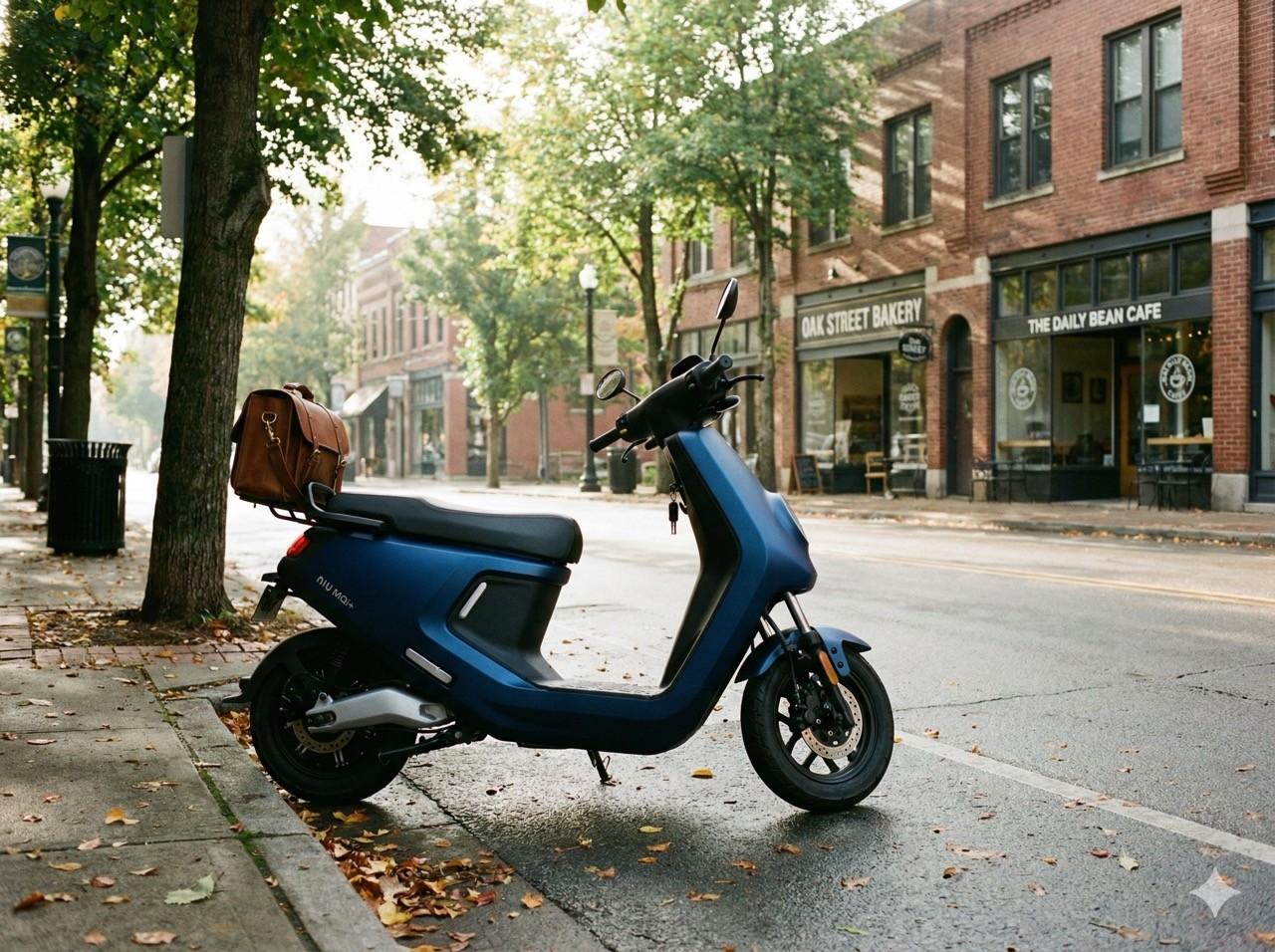
From daily commuters to weekend cruisers, this guide covers scooter maintenance for machines of all sizes: 50cc mopeds, 125cc city scooters, maxi-scooters like the Yamaha XMAX and Honda Forza, and everything in between. We cover CVT belt and variator service, oil changes, brake inspections, tire care, battery maintenance, and seasonal storage. Whether you ride a Vespa, Honda PCX, Yamaha Zuma, or Kymco, select your riding frequency below for a personalized schedule.
Scooters want an engine oil change every 1,000 to 4,000 miles depending on engine size, or once a year, with the first one at 600 miles for break-in. Change the final drive gear oil every 4,000 miles too. Inspect the air filter and brakes every 2,000 miles, and check the valve clearance at break-in and around 8,000 miles. The CVT V-belt is the critical wear item, so replace it every 12,000 to 15,000 miles before it strands you. Your owner's manual sets the exact numbers for your model.
Jump to section
Intervals Calibrated for Real-World Riding
These intervals are based on data from major scooter manufacturers, adjusted for how people actually ride, not worst-case manufacturer specs. Use the rider profile selector above the schedule to match your riding style. Always cross-reference with your owner's manual for model-specific requirements, as your manufacturer knows your machine best. For intervals tailored to your exact machine, download LookOver free on iOS and Android.
Complete Maintenance Schedule
Scooters are simple but not maintenance-free. The CVT belt is your most critical wear item.
Service Task
Interval
Engine
Cam Chain / Tensioner
Inspect
Every 100 hours or 8,000 miles or 24 months
Engine Idle Speed
Inspect
Every 25 hours or 2,000 miles or 6 months
Spark Plug Inspect
Inspect
Every 50 hours or 4,000 miles or 12 months
Throttle Operation / Freeplay
Inspect
Every 25 hours or 2,000 miles or 6 months
Valve Clearance
Inspect
Every 50 hours or 4,000 miles or 12 months
Engine Oil Change
Replace
Every 25 hours or 2,000 miles or 6 months
Oil Filter
Replace
Every 25 hours or 2,000 miles or 6 months
Spark Plug Replace
Replace
Every 100 hours or 8,000 miles or 24 months
Transmission & Clutch
Drive Belt Inspect
Inspect
Every 25 hours or 1,000 miles or 3 months
Primary Clutch Clean / Inspect
Clean
Every 25 hours or 1,000 miles or 3 months
Secondary Clutch Clean / Inspect
Clean
Every 25 hours or 1,000 miles or 3 months
Drive Belt Replace
Replace
Every 100 hours or 3,000 miles or 24 months
Air & Intake
Air Filter Inspect / Clean
Inspect
Every 5 hours or 500 miles or 1 month
Air Filter Inspect / Clean
Clean
Every 15 hours or 2,000 miles or 3 months
Air Filter Replace
Replace
Every 100 hours or 8,000 miles or 12 months
Fuel System
Fuel Injector Inspect
Inspect
Every 150 hours or 12,000 miles or 24 months
Fuel Line Inspect
Inspect
Every 25 hours or 2,000 miles or 6 months
Throttle Body Inspect
Inspect
Every 100 hours or 8,000 miles or 24 months
Exhaust
Exhaust System Inspect
Inspect
Every 50 hours or 4,000 miles or 12 months
Electrical
Battery Inspect / Maintain
Inspect
Every 25 hours or 2,000 miles or 3 months
Lights / Signals Check
Inspect
Every 10 hours or 1,000 miles or 1 month
Wiring / Electrical Inspect
Inspect
Every 50 hours or 4,000 miles or 12 months
Brakes
Brake Fluid Inspect
Inspect
Every 25 hours or 2,000 miles or 6 months
Brake Light Switch
Inspect
Every 25 hours or 2,000 miles or 6 months
Brake Line Inspect
Inspect
Every 50 hours or 4,000 miles or 12 months
Brake Pad Inspect
Inspect
Every 25 hours or 2,000 miles or 6 months
Brake Rotor Inspect
Inspect
Every 100 hours or 8,000 miles or 24 months
Brake Fluid Replace
Replace
Every 8,000 miles or 12 months
Suspension
Fork Seal Inspect
Inspect
Every 25 hours or 2,000 miles or 6 months
Shock Absorber Inspect
Inspect
Every 50 hours or 4,000 miles or 12 months
Fork Oil Change
Replace
Every 100 hours or 10,000 miles or 24 months
Chassis & Hardware
Nuts, Bolts, Fasteners
Inspect
Every 25 hours or 2,000 miles or 6 months
Side Stand Inspect
Inspect
Every 25 hours or 2,000 miles or 6 months
Steering Head Bearings
Inspect
Every 50 hours or 4,000 miles or 12 months
Tire Inspect
Inspect
Every 10 hours or 1,000 miles or 1 month
Tire Pressure Check
Inspect
Every 1 race
Wheel Bearings Inspect
Inspect
Every 50 hours or 4,000 miles or 12 months
Help Us Get These Intervals Right
These schedules are built from manufacturer data and real-world riding - but nobody knows your machine better than you. If something looks off, tell us. We read every message.
Set reminders for oil changes and belt replacement. LookOver tracks miles and time.
When should I change my scooter's oil?
Scooter engines work hard in stop-and-go traffic. Regular oil changes keep them running.
Change engine oil every 1,000 to 4,000 miles depending on engine size, or annually, whichever comes first. First change at 600 miles.
Why the range? Small 50cc scooters often need oil closer to every 1,000 miles, while larger maxi-scooters can stretch to 4,000. Either way, scooter engines work hard in stop-and-go traffic with lots of heat cycling.
Typical capacity: 0.8-1.2 liters for small scooters, 2-3 liters for maxi scooters
Oil type: 10W-40 motorcycle oil (JASO MB or MA rated)
Scooters have a separate gear oil reservoir for the final drive.
Change interval: Every 4,000 miles
Capacity: 80-150ml typically
Type: 80W-90 or manufacturer-specified gear oil
This is often overlooked but critical for smooth power transfer.
CVT Transmission: Your Automatic Drivetrain
The continuously variable transmission is what makes your scooter twist-and-go. It needs attention.
Your scooter uses a belt-driven CVT with no manual shifting.
Key components:
V-belt: Connects variator to clutch
Variator: Front pulley that changes ratio
Roller weights: Control variator movement
Clutch: Engages at specific RPM
Everything works together to provide smooth acceleration.
Service interval: Every 12,000-15,000 miles or when showing wear
Signs of wear:
Reduced top speed
Slower acceleration
Belt squealing
Visible cracks or fraying
Important: A broken belt strands you immediately. Replace before failure.
The roller weights in the variator wear over time and affect performance.
Service interval: Inspect at belt service (12,000 miles)
Signs of wear:
Flat spots on rollers
Inconsistent acceleration
Rough engagement
Tuning: Different weight rollers change acceleration characteristics.
Track Belt Mileage
Know exactly how many miles are on your belt. Replace before it fails.
Brakes: Stop-and-Go Champions
Scooter brakes work harder in city traffic than sport bike brakes on the highway.
Front Disc Brake
Inspect pads every 2,000 miles
Replace below 2mm thickness
Check rotor for scoring
Most stopping power here
Rear Brake (Drum or Disc)
Drums: inspect shoes at 4,000 mi
Discs: same as front
Adjust cable tension as needed
Drum brakes fade when hot
Brake Fluid
Flush every 2 years
DOT 4 standard
Check level at sight glass
Low level = worn pads or leak
How do I store my scooter for winter?
If you store your scooter for winter, proper preparation prevents problems.
Scooters need regular engine oil changes (every 1,000 to 4,000 miles depending on engine size), CVT belt inspection, gear oil changes, brake pad and fluid checks, air filter cleaning or replacement, tire pressure and tread inspection, valve clearance checks on 4-stroke models, coolant replacement on liquid-cooled models, and battery maintenance. Follow your owner's manual for model-specific intervals.
Most scooters need an engine oil change every 1,000 to 4,000 miles depending on engine size, or at least once per year, whichever comes first. Small 50cc scooters land near the low end, larger maxi-scooters near the high end. New scooters typically need their first oil change at 300-600 miles (break-in period). Always check your owner's manual for the recommended interval and oil grade for your specific model.
Inspect your scooter's CVT belt every 3,000-5,000 miles and replace it every 6,000-12,000 miles depending on riding conditions. Signs of a worn CVT belt include reduced acceleration, unusual noises from the CVT cover, visible cracking or glazing on the belt, and loss of top speed. The CVT case should also be cleaned of dust and debris during belt inspections.