The Complete Dual-Sport Bike Maintenance Guide
Dec 19, 2025
Mile-by-mile maintenance for bikes that live in both worlds
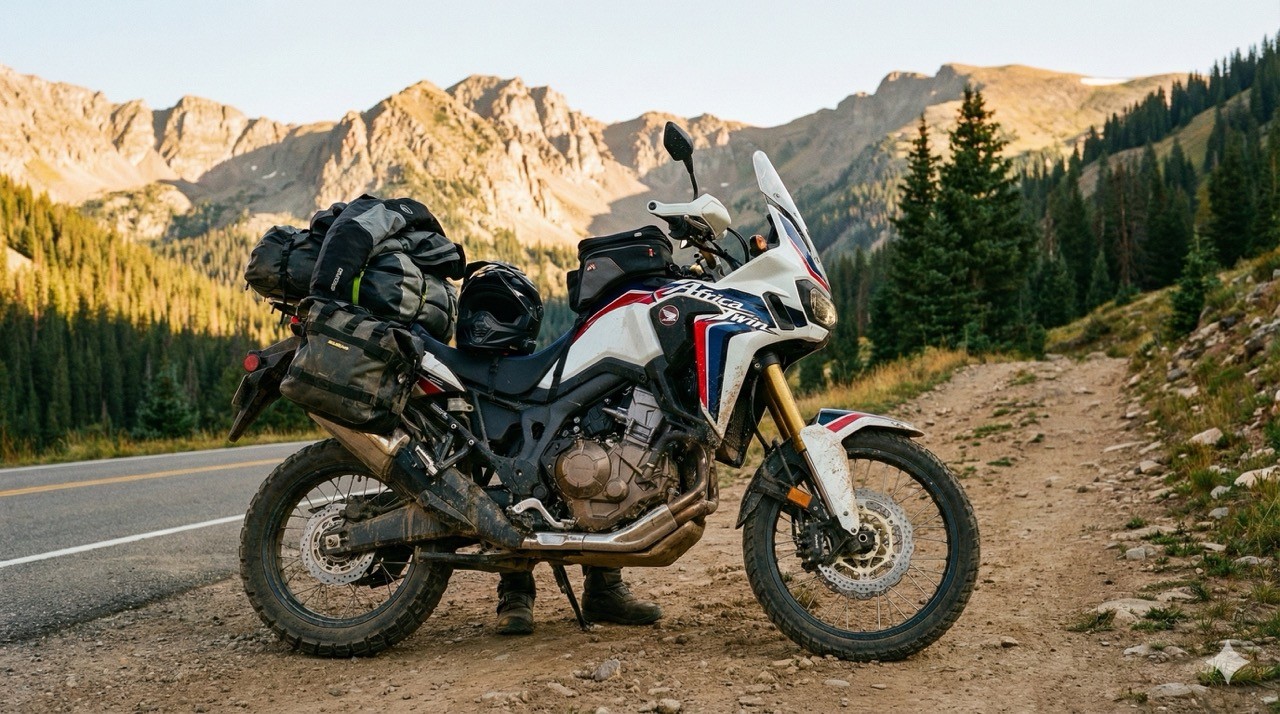
You bought a dual-sport because you refuse to choose. Commute to work Monday through Friday, hit the fire roads on Saturday, explore that trail you've been eyeing on Sunday. One bike, endless possibilities.
But here's the thing about dual-sports: they're workhorses, not racehorses. Built for durability and versatility, not lightweight performance. That means different maintenance needs than their dirt-only cousins.
This guide covers the classic dual-sport thumpers: bikes like the XR650L, DR650, KLR650, WR250R, and similar machines. We've organized everything by street miles because that's how your odometer works, with guidance for when you're spending more time off-road.
Whether you're grinding out daily commutes or planning your next backcountry adventure, this guide will keep your bike running strong in both worlds.
Let's get to it.
What's Inside
Every Ride: Quick Check Routine
Break-In Service: Critical First 600 Miles
Every 600 Miles: Regular Maintenance
Every 2,000 Miles: Major Service
Every 4,000 Miles: Deep Maintenance
Every 8,000+ Miles: Long-Term Care
Off-Road Considerations
Seasonal: Storage and Prep
Your Complete Maintenance Schedule
Every Ride: Quick Check Routine
Dual-sports are tougher than dirt bikes. But that doesn't mean you skip the basics.
Pre-Ride Checklist
Lights and signals: Quick function check. Horn, headlight, brake light, turn signals. You're street legal. Keep it that way.
License plate and registration: Mounted securely, current tags visible. Getting pulled over for a loose plate wastes riding time.
Tire pressure:
Street riding: 28-32 PSI front, 32-36 PSI rear (check your manual for exact spec)
Mixed use: 25-28 PSI front, 28-32 PSI rear
Off-road focused: 18-22 PSI front, 20-24 PSI rear
Tire condition: Look for cuts, embedded objects, wear bars. Dual-sport tires take a beating from both pavement and rocks.
Chain tension: Most dual-sports spec 20-30mm slack (about 1 inch) at the midpoint. Check your manual. Too tight causes transmission bearing wear; too loose risks jumping sprockets.
Oil level: Check with bike upright on level ground. Between the sight glass marks or on the dipstick (depending on your bike).
Coolant level: Quick visual check when cold. Consistent drops indicate a leak.
Brake feel: Front and rear levers should be firm with consistent bite. Spongy feel means air in the system or low fluid.
Fuel level: Obvious but worth checking. Dual-sport tanks are small. Don't trust your range estimate when you've been riding hard off-road.
Post-Ride: After Off-Road Use
If you stayed on pavement, you're good. Park it.
If you hit the dirt? Different story.
Wash off mud and grit. Pressure washer is fine (keep it under 3,000 PSI and avoid bearings). Dry everything with compressed air, especially around the chain and brake components.
Check for damage. Dual-sports are tough, but rocks happen. Look for dented rims, bent levers, cracked plastics, and loose bolts.
Chain service. Clean and lube after wet or muddy rides. This extends chain life dramatically.
Air filter inspection. If you rode in dust, pull it and check. Clean if needed. This is non-negotiable.
Log your miles. Your odometer doesn't distinguish between pavement and dirt. But you should. Off-road miles are harder on your bike.
Break-In Service: Critical First 600 Miles
This is the most important service interval you'll ever do. New bikes (or freshly rebuilt engines) need careful break-in and early service.
First 600 Miles (or 1 Month)
Engine oil and filter change. This is mandatory. Break-in creates metal particles as everything seats together. Get that contaminated oil out.
Oil screen cleaning. Takes 2 minutes. Catches anything the filter missed.
Valve clearance check. Critical on new engines. Valves seat during break-in and clearances tighten. Check and adjust as needed.
Chain inspection and adjustment. New chains stretch during initial use. Check tension and adjust.
All fasteners check. Go through the bike with your manual's torque specs. Engine mounts, axles, controls, everything. Vibration loosens bolts during break-in.
Brake system inspection. Pads seat, fluid settles. Check pad thickness and fluid level.
General inspection. Look for leaks (oil, coolant, fuel), check tire condition, inspect cables and controls.
This service sets the tone for your bike's entire life. Don't skip it. Don't delay it.
Every 600 Miles: Regular Maintenance
This is your bread-and-butter service interval. If you commute daily, you're hitting this every month or two. If you're a weekend warrior, maybe every few months.
What to Service
Chain maintenance:
Clean thoroughly with chain-specific cleaner
Inspect for tight spots (rotate wheel and feel for binding)
Check sprockets for wear (hooked teeth mean replacement)
Lubricate with quality O-ring safe chain lube
Adjust tension to spec (typically 20-30mm slack)
Air filter service:
If mostly street riding: Inspect every 600 miles, clean when visibly dirty
If regular off-road use: Inspect and clean every 600 miles regardless
After dusty rides: Clean immediately
Cleaning process:
Remove and inspect for damage
Wash with quality air filter cleaner (not gasoline)
Dry completely (overnight is best)
Re-oil with filter oil
Install and ensure proper seal
Brake system check:
Pad thickness inspection (replace at 2-3mm remaining)
Fluid level check
Hose condition check
Rotor condition (look for scoring or warping)
Lights and electrical:
All lights functional
Turn signals working
Wiring secure and routed properly
General inspection:
Check all fluid levels
Look for leaks
Tire condition and pressure
Spoke tension (tap test each spoke)
Every 2,000 Miles: Major Service
This is where the real work happens. Budget time or money (if you're using a shop) for this one.
Engine Oil and Filter
Change interval: Every 2,000 miles or 12 months, whichever comes first.
This is the most debated topic in dual-sport forums. Some owners push to 3,000 miles. Some change at 1,500. Here's the reality:
Manufacturer says 2,000 miles. That's based on normal use (mostly street, some dirt, moderate riding).
Go shorter (1,200-1,500 miles) if:
Heavy off-road use (more stress, more dust contamination)
Extreme conditions (very hot or very cold climates)
Short trips (engine never fully warms, moisture accumulates)
Aggressive riding (high RPM, hard acceleration)
You can extend to 2,500-3,000 miles if:
Pure street use with quality synthetic oil
Highway miles in good conditions
Religious about checking oil level and condition
When you drain the oil, inspect it:
Light brown/amber = good
Dark but smooth = normal, change it
Dark with metallic sparkle = you went too long
Milky or foamy = coolant contamination, investigate immediately
Oil choice: Use motorcycle-specific oil rated JASO MA or MA2 for wet clutch compatibility. Any quality brand works. Rotella T6, Mobil 1 Racing 4T, Motul, Castrol. All good options.
Oil filter: Change with every oil change. Cheap insurance.
Oil screen: Clean at every change. It's behind a cover plate, takes 5 minutes, catches debris before it circulates.
Drive Chain and Sprockets
If you've been maintaining your chain every 600 miles, it'll last. But eventually, everything wears.
Inspect carefully at 2,000-mile intervals:
Chain stretch (measure against manual's spec)
Roller condition (should rotate freely)
Tight spots or kinked links
O-ring condition (should be intact, not cracked)
Sprocket wear signs:
Hooked or shark-fin shaped teeth
Uneven wear patterns
Can pull chain away and see more than half a tooth
Chain life expectancy:
Street use with good maintenance: 15,000-25,000 miles
Mixed street/dirt: 10,000-15,000 miles
Heavy off-road use: 5,000-10,000 miles
Always replace chain and both sprockets together. A new chain on worn sprockets destroys both in a few hundred miles.
Coolant System
Inspection at every 2,000 miles:
Check level when cold
Inspect hoses for cracks or soft spots
Look for leaks around water pump, radiator, connections
Check coolant color and condition
Contaminated or rusty coolant? Flush and replace immediately.
Cables and Controls
Throttle cable:
Check for smooth operation (no binding)
Snap test (should return instantly)
Lubricate cable every 2,000 miles
Check cable routing (not kinked or rubbing)
Clutch cable (if cable-operated):
Check free play at lever
Smooth pull with no notchy feel
Lubricate regularly
Brake and clutch levers:
Pivot points lubricated
No excessive play
Return springs functioning
Steering and Suspension
Steering head bearing check:
With front wheel off ground, turn bars lock to lock
Should move smoothly with no notchy spots
No play when pushing/pulling on forks
Fork action:
Smooth compression and rebound
No oil leaking from seals
Wipe down fork tubes after every wash
Rear shock:
Smooth action with no binding
No oil leaking
Linkage moves freely
Battery (If Equipped)
Every 2,000 miles:
Check terminals (clean if corroded)
Test voltage (12.6V+ when fully charged)
Inspect case for damage or leaking
Battery life on dual-sports: 3-5 years with proper maintenance. Replace proactively before it leaves you stranded.
Every 4,000 Miles: Deep Maintenance
These items don't need attention as often, but when they do, they're critical.
Valve Clearance Adjustment
Initial check: 600 miles (break-in service)
Subsequent checks: Every 4,000 miles
Dual-sports run looser valve clearances than race bikes. This is intentional. Makes them more reliable and easier to maintain. But you still need to check.
Symptoms that mean check NOW (even if not due):
Hard cold starting
Engine won't hold idle
Excessive valve train noise (loud ticking)
Power loss
The check requires:
Service manual with specs and procedures
Feeler gauges
Valve cover removal
Patience
DIY-friendly? If you're mechanically confident, yes. First time takes 2-3 hours. After that, maybe 1 hour.
Shop service: $150-250 depending on bike and needed adjustments.
Good news: Most dual-sport valves stay in spec for a long time. It's common to check at 4,000 miles and find everything still perfect.
Brake Fluid Replacement
Every 2 years or 4,000 miles, whichever comes first.
Brake fluid absorbs moisture from the air. This lowers the boiling point and creates that spongy feel nobody wants.
Fresh fluid is cheap. Brake failure is expensive and dangerous.
Use DOT 4 minimum. Some bikes specify DOT 3. Check your manual. Don't mix types.
DIY or shop? Easy DIY with a $10 brake bleeder tool. Shop charges $50-100 if you'd rather pay.
Fork Oil Change
Manufacturer interval: Often 8,000-12,000 miles or 2 years
Realistic interval for mixed use: 4,000-6,000 miles
Replace by feel, not just mileage. Signs you're due:
Suspension feels harsh or dead
Leaking fork seals
Forks dive excessively under braking
Clicker adjustments don't affect feel
Fork service requires:
Service manual (oil capacity and height are critical)
Seal driver if replacing seals
Clean workspace
Measuring cup
Not comfortable doing suspension work? Shop service runs $150-250 for oil change, $250-350 if seals need replacement.
Spark Plug
Inspection: Every 4,000 miles
Replacement: Every 8,000 miles or as needed
Dual-sport plugs last longer than dirt bike plugs because you're not constantly at high RPM or in dusty conditions.
Good plug appearance:
Light tan to grey electrode
No oil fouling
No excessive gap wear
Bad signs:
Black sooty buildup (running rich)
White/blistered (running lean)
Oil fouling (piston rings or valve seals worn)
Keep a spare in your tool kit. They're cheap insurance for a roadside fix.
Every 8,000+ Miles: Long-Term Care
These are the big-ticket items. The stuff you plan for during off-season or when you notice symptoms.
Shock Service
Interval: 8,000-12,000 miles or when symptoms appear
Symptoms:
Shock feels harsh or bottoms easily
Oil leaking from shaft seal
Uneven rebound
Noise or clunking
This is professional service territory. Shock rebuilds require specialized tools and nitrogen charging equipment. Budget $200-350.
Wheel Bearings
Inspection: Every 4,000 miles (spin wheels and listen)
Replacement: As needed, typically 15,000-30,000 miles
Signs of worn bearings:
Grinding or rumbling when spinning wheel
Play in the wheel (grab tire and push/pull)
Uneven tire wear
Catch bearing wear early. Ignored bearings damage hubs, turning a $30 fix into a $200+ problem.
Swingarm and Linkage Bearings
Service interval: 8,000-12,000 miles or annually
Symptoms of wear:
Play in swingarm pivot
Binding when compressing suspension
Creaking or clicking noises
DIY-friendly if mechanically inclined. You'll need bearing grease, seals, and sometimes the bearings themselves. Budget 3-4 hours for first-time service.
Shop service: $200-350 depending on parts needed.
Coolant Replacement
Every 2 years or 8,000 miles, whichever comes first.
Even if the level is fine, coolant degrades. The corrosion inhibitors break down. Flush and replace.
Use the correct coolant type for your bike. Some specify ethylene glycol, others use propylene glycol. Check your manual. Don't mix types.
Clutch Inspection and Replacement
Inspection: When slip is noticed
Typical life: 15,000-30,000 miles
Symptoms of worn clutch:
Slipping under load (RPM rises without speed increase)
Hard shifting
Clutch drag (bike creeps in gear with clutch pulled)
Clutch life depends heavily on riding style. Aggressive street riding with lots of clutch work wears it faster. Smooth highway miles extend it.
Parts cost: $100-200 for plates
Shop labor if needed: $150-250
Off-Road Considerations
Here's where dual-sports get tricky. Your odometer doesn't care whether you're cruising at 65 mph on the highway or grinding through rocky single track at 10 mph.
But your bike cares. A lot.
Adjust Service Intervals for Off-Road Use
If you spend 50% or more of your time off-road:
Oil changes: Every 1,200-1,500 miles instead of 2,000
Air filter: Inspect after every off-road ride, clean as needed
Chain service: Every 400-500 miles instead of 600
Brake pads: Check every 1,000 miles (off-road braking is harder on pads)
General inspection: After every significant off-road ride
Post-Off-Road Inspection
Every time you spend a day on the trails, do this:
Check for damage:
Bent levers or foot pegs
Cracked or broken plastics
Dented skid plate or frame
Loose or missing bolts
Inspect vulnerable areas:
Fork seals (wipe down stanchions, check for oil)
Wheel bearings (spin and listen)
Spokes (tap test for loose spokes)
Chain (clean and lube)
Air filter (clean if dusty)
Fluids:
Oil level (off-road riding can slosh oil, check it)
Coolant level (hitting the dirt hard can cause minor leaks)
Brake fluid (check for leaks at connections)
Don't wait for the next scheduled service. Off-road use accelerates wear. Catch problems early.
Tire Pressure for Different Terrain
Dual-sport tires are a compromise. Not as grippy off-road as pure knobby tires, not as stable on pavement as street tires.
Pressure adjustments help.
Highway riding:
Front: 28-32 PSI
Rear: 32-36 PSI
Better stability, less tire wear
Mixed pavement and gravel:
Front: 25-28 PSI
Rear: 28-32 PSI
Good compromise for fire roads
Off-road focused (dirt roads, trails):
Front: 18-22 PSI
Rear: 20-24 PSI
Better traction, but higher pinch flat risk
Don't run super low pressures like dirt bikes. Dual-sport wheels and tires aren't built for it. You'll dent rims or unseat beads.
Always check pressure when cold. Riding heats tires and increases pressure by 2-4 PSI.
Seasonal: Storage and Prep
Most dual-sport riders put on serious miles during good weather, then back off in winter (unless you're somewhere warm year-round).
Pre-Storage (End of Riding Season)
Clean thoroughly. Wash, dry, inspect for damage. Don't store a dirty bike.
Change all fluids. Even if not due by mileage, change them. Fresh oil protects better during storage.
Fuel system (choose one approach):
Option 1: Fill tank completely, add fuel stabilizer (Sta-Bil or Star Tron), run engine 5 minutes to circulate
Option 2: Drain tank and carb completely (eliminates varnish risk but can allow tank rust)
Battery maintenance:
Remove battery and store indoors on a battery tender
Or leave connected to tender in the bike
Cold kills batteries. Don't leave it disconnected in freezing temps.
Tires:
Inflate to max pressure to prevent flat spots
Or put bike on center stand (if equipped)
Or use front and rear stands
Protect exposed metal:
Wipe down fork tubes with light oil
Spray frame bolts and exposed steel with corrosion inhibitor
Cover exhaust outlet to prevent moisture
Cover:
Use a quality breathable cover
Don't use plastic tarps (traps moisture)
Spring Startup
Fresh fuel. Even if you stabilized, add fresh fuel before riding hard.
Fresh oil if stored longer than 4-5 months. Old oil settles, condensation accumulates.
Battery check:
Charge fully before installation
Test voltage (should be 12.6V+)
Clean terminals
Tire pressure: Drops during storage. Reinflate to proper pressure.
Complete pre-ride inspection:
All lights working
Brake feel (may feel soft after sitting, pump a few times)
Chain tension
Tire condition (check for cracking from UV exposure)
Easy first ride. Let everything warm up and circulate. Don't push hard until you're confident everything feels normal.
Your Complete Maintenance Schedule
Here's everything in one place. These intervals assume normal use (mostly street with occasional off-road). Heavy off-road use requires more frequent service.
Every Ride
Lights and signals check
Tire pressure and condition
Chain tension visual check
Oil level check
Coolant level check (when cold)
Brake feel test
Post-ride wash if off-road
Chain lube after wet/muddy rides
Break-In (600 Miles / 1 Month)
Engine oil and filter change
Oil screen cleaning
Valve clearance check and adjustment
Chain adjustment
All fasteners torque check
Brake system inspection
General leak check
Every 600 Miles
Chain service (clean, inspect, lube, adjust)
Air filter inspection (clean if dirty or after off-road use)
Brake pad inspection
Lights and electrical check
Tire inspection
Spoke tension check
Every 2,000 Miles / 12 Months
Engine oil and filter change
Oil screen cleaning
Drive chain detailed inspection
Sprocket wear check
Coolant level and condition check
Cable lubrication (throttle, clutch)
Steering head bearing check
Fork and shock inspection
Battery inspection and cleaning
Every 4,000 Miles / 24 Months
Valve clearance check and adjustment
Brake fluid replacement
Fork oil change (or as needed by feel)
Spark plug inspection
Wheel bearing inspection
General fastener torque check
Every 8,000+ Miles
Shock service (or when symptoms appear)
Swingarm and linkage bearing service
Coolant replacement (every 2 years minimum)
Spark plug replacement
Clutch inspection/replacement (as needed)
Wheel bearing replacement (as needed)
Seasonal
Pre-storage: Clean, all fluids changed, fuel stabilized or drained, battery on tender, tires inflated
Spring: Fresh fuel, oil check, battery charge, complete pre-ride inspection
Quick Reference: Common Specs
Always verify in your specific bike's manual. These are general guidelines.
Item | Typical Spec | Notes |
|---|---|---|
Chain slack | 20-30mm | Check manual for exact spec |
Oil capacity | 1.5-2.5 quarts | Varies by bike |
Tire pressure (street) | 28-36 PSI | Front lower, rear higher |
Tire pressure (off-road) | 18-24 PSI | Lower for traction |
Spark plug gap | 0.7-0.9mm | Check manual |
Valve clearance | Varies widely | Must use manual specs |
Battery voltage | 12.6V+ fully charged | Below 12.4V needs charging |
The Reality of Dual-Sport Ownership
Dual-sports ask a lot from one machine. Highway speeds and vibration. Rocky trails and mud. Cold starts in winter. Heat-soaked rides in summer.
The bikes that survive longest aren't the ones with the lightest touch. They're the ones with consistent maintenance.
You don't need to be a master mechanic. You don't need a full shop. You need a service manual, basic tools, and the discipline to do the work at the right intervals.
That's it. That's the secret.
Track your miles. Do the work. Ride with confidence.
The Hardest Part Isn't Turning the Wrench
It's remembering when you did what and when it's due next. Was that oil change at 18,432 miles or 20,432? When did you adjust those valves? Did you clean the air filter after that dusty ride last month?
LookOver was built for riders who wrench on their own bikes but hate the paperwork. Track every service, set reminders based on your actual odometer, and know exactly what's due when.
One app. Every machine. All your maintenance in one place.
Download for iOS | Download for Android
Free to start. No credit card required.
Keep Your Dual-Sport in Both Worlds
The beauty of a dual-sport is freedom. Ride to work Monday. Explore backroads Saturday. Attack trails Sunday. All on one bike, one tank of gas.
But that freedom comes with responsibility. Your bike lives harder than a pure street bike or a pure dirt bike. It takes the punishment of both worlds.
Give it the maintenance it deserves. Follow the intervals. Don't skip services because you're "mostly on pavement" or because "it still runs fine."
The riders with 50,000+ miles on their dual-sports aren't the lucky ones. They're the ones who did the work, every time, without exception.
Be that rider. Your bike will take care of you if you take care of it.
See you out there. 🤙
Disclaimer: This guide provides general maintenance recommendations for dual-sport motorcycles based on manufacturer service manuals from Honda, Suzuki, Kawasaki, and Yamaha. Always consult your specific owner's manual for manufacturer-recommended intervals and procedures. Service intervals may vary based on riding conditions, climate, and individual bike specifications.